
Cristie VA 5.3.1 What’s New
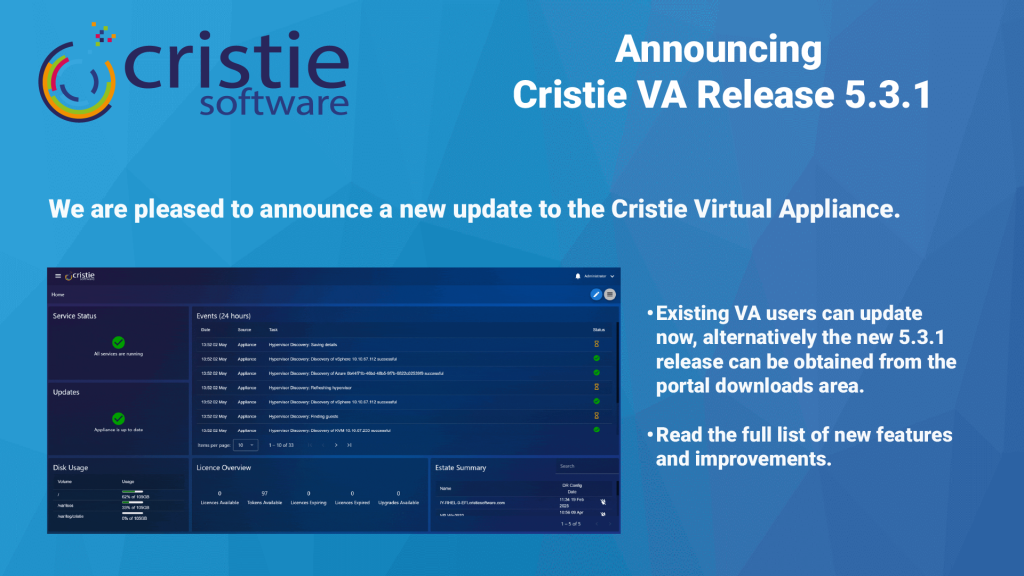
Here’s an update on what’s new for the Cristie Virtual Appliance. The 5.3.1 release includes lots of new functionality including Continuous Recovery Assurance for Rubrik VM snapshots.
Recovery of physical systems supporting critical service infrastructure without manual intervention.
Seamless integration with Cohesity data protection extending capabilities to include full system recovery.
Improved recovery time objectives (RTO) for critical services to meet regulatory guidelines.
Easy setup and teardown of system recovery test environments reducing administrative overhead.
Cristie Recovery CoBMR support all major Linux distributions extended back to RHEL 5 if required.

Bursa Malaysia, a publicly traded company established in 1976, is now one of the leading stock exchanges in Southeast Asia. It provides a platform for trading various assets, including stocks, bonds, and derivatives.
As a regulated financial services organization subject to Securities Commission SLAs, Bursa must ensure critical services are recovered within specified timeframes. To streamline system recovery, Bursa sought a solution that could automate physical machine recovery and integrate seamlessly with their existing Cohesity backup infrastructure.
By combining Cristie Recovery (CoBMR) with Cohesity Data Protect, Bursa were able to streamline the protection of physical machines running Red Hat Enterprise Linux (RHEL) into a unified recovery workflow. With the Cristie recovery simulation feature Bursa are able to verify the recovery process for any system.
Through the combination of Cristie Recovery CoBMR and Cohesity Data Protect, Bursa have reduced physical system recovery complexity and improved overall system recovery times to ensure that critical services can be recovered within the service level (SLA) parameters set by the Securites Commission.

Here’s an update on what’s new for the Cristie Virtual Appliance. The 5.3.1 release includes lots of new functionality including Continuous Recovery Assurance for Rubrik VM snapshots.

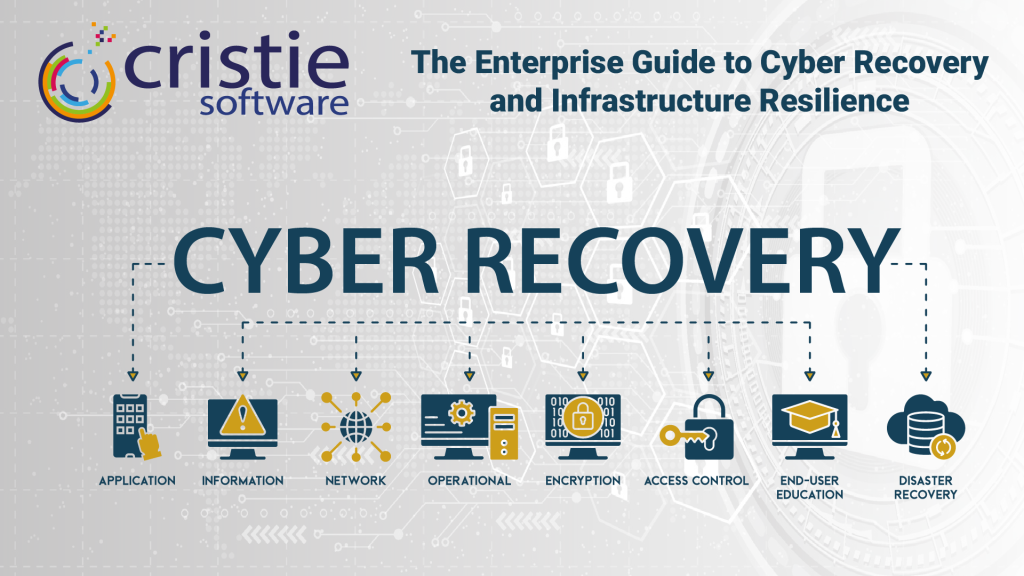
Cleanroom recovery is becoming essential in the fight against ransomware. By restoring systems in an isolated environment, organizations can validate integrity, eliminate hidden threats, and prevent reinfection. This approach ensures secure, reliable recovery of infrastructure, helping businesses minimise downtime and strengthen cyber resilience after sophisticated cyberattacks.

Modern ransomware targets entire infrastructures, not just data. Traditional backups often fail because they don’t restore operating systems or configurations. This guide explores building a cyber-resilient strategy using automated system recovery and cleanroom environments to bridge the gap between backup and full operational restoration, ensuring rapid recovery after a sophisticated attack.

When cyberattacks cripple critical infrastructure, organizations must rebuild systems quickly and securely. Bare metal recovery enables complete physical system recovery by restoring operating systems, applications, and data from trusted backups. Automated recovery solutions accelerate ransomware system recovery, reduce downtime, and help organizations restore operations rapidly after major cyber incidents worldwide.